How to Become a Generative AI Developer [2026 Roadmap]
A practical roadmap to become a generative AI developer in 2026: the skills in order, projects to build, whether certifications matter, and mistakes that waste months.
4 min read
Most roadmaps for generative AI developers are a list of courses. That is a poor way to learn a job where the work is shipping things that behave well when real users touch them. This is the order I would follow today, based on the AI products I build, and what I would skip.
What a generative AI developer actually does
A generative AI developer builds software on top of large language models and other generative models. In practice that means connecting a model to your data, giving it tools, checking that its answers are right, and keeping cost and speed under control. If you want the role defined first, read what is an AI developer and AI developer vs AI engineer.
Step 1: Python and web APIs
You need to be comfortable writing real code before anything else. Learn Python (or TypeScript), how HTTP APIs work, JSON, async code and how to read an error message. Skip the machine learning theory for now. You can build a lot of useful products without training a model.
Step 2: Prompting and structured output
Learn how to give a model clear instructions, examples and a required output format. The skill that matters is getting reliable, parseable output (for example JSON that matches a schema) and handling the times when the model does not follow it.
Step 3: Retrieval (RAG)
Retrieval-augmented generation lets a model answer from your own documents instead of guessing. Learn chunking, embeddings, search and how to show where an answer came from. Then learn when retrieval is the wrong tool, which I cover in RAG vs fine-tuning in production.
Step 4: Agents and tool use
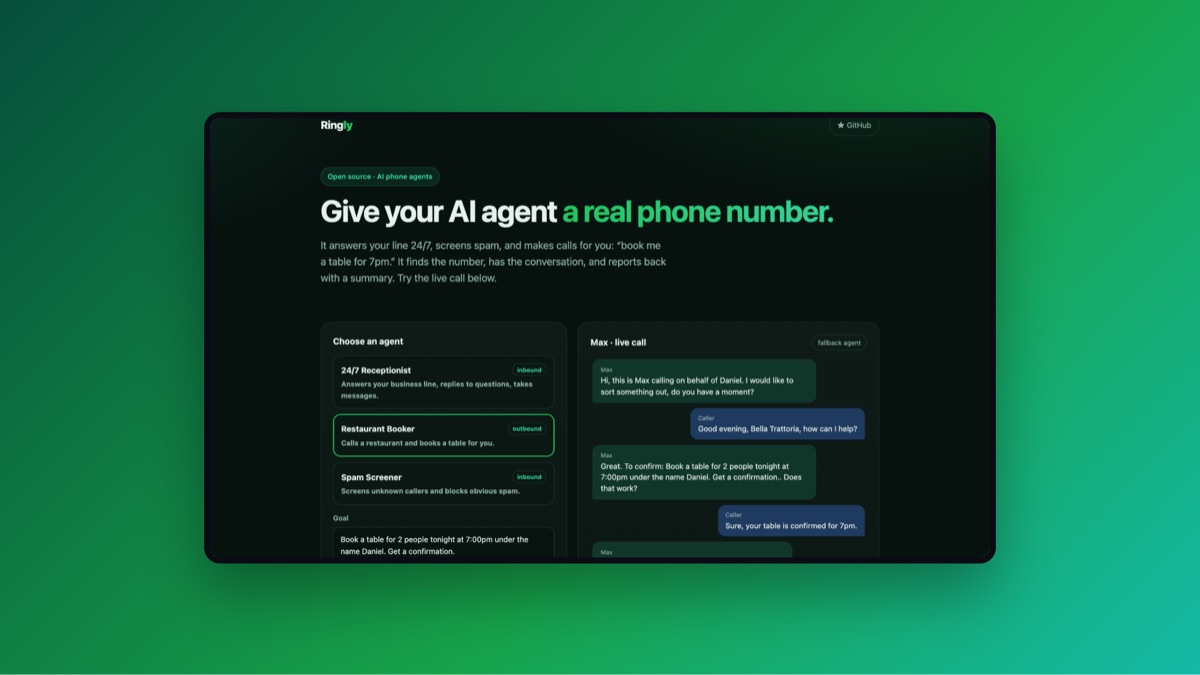
An agent is a model that can decide to call tools: search, a database, an API, a phone call. Learn the loop, how to limit what a tool is allowed to do, and how to stop an agent that is going in circles. For frameworks, see LangGraph vs LangChain.
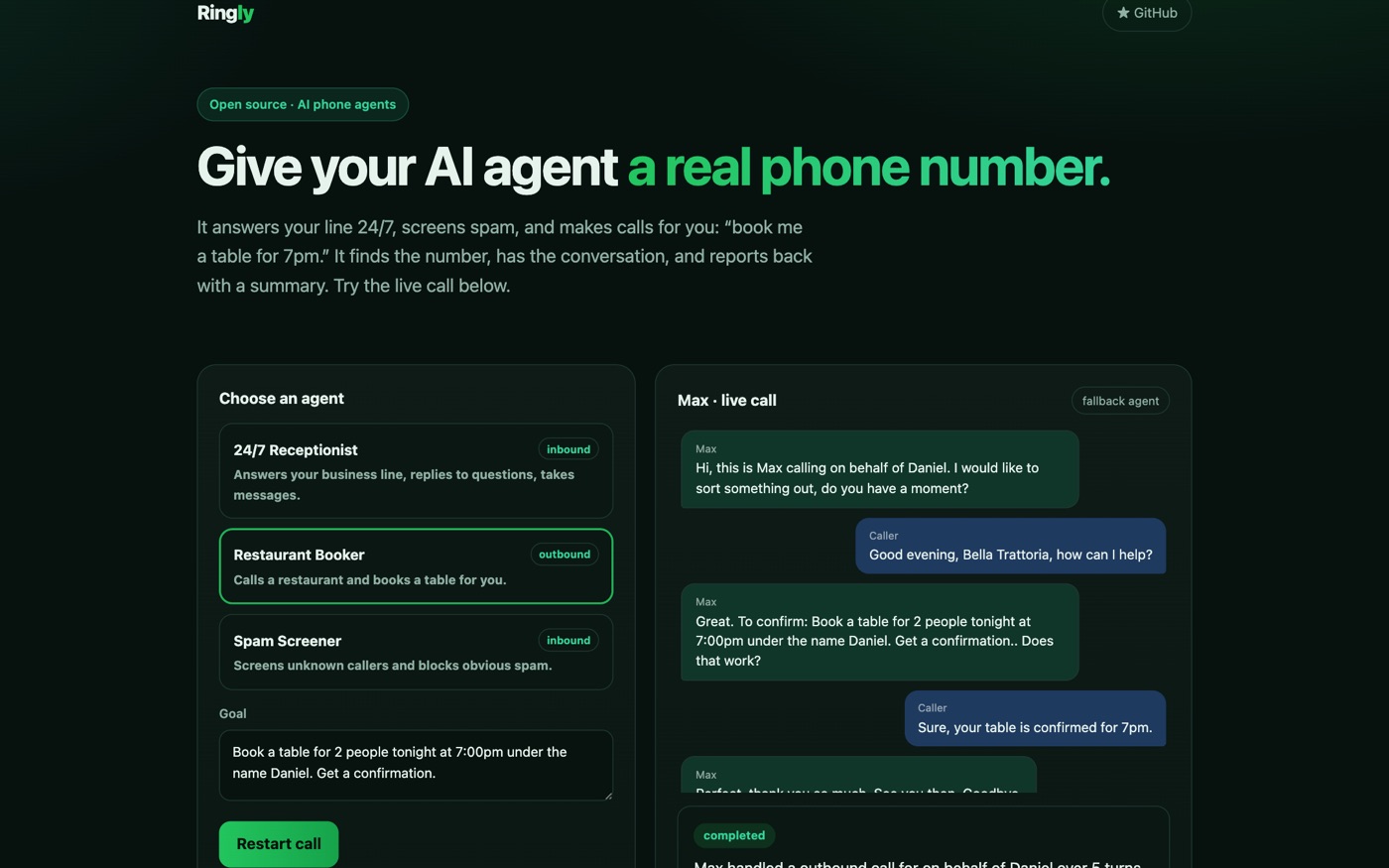
The screenshot above is a small agent I built. It has a goal, a persona, a few facts it is allowed to use, and it decides when the call is finished. Building something this small teaches more than another course, because every rough edge shows up.
Step 5: Evaluation
This is the step most roadmaps skip and employers care about most. Write test cases, run them on every change, and track a pass rate. Without it you cannot tell whether a prompt change made things better or worse. How to compare AI models shows how I approach it.
Step 6: Ship it
Put it online. Handle cost, latency, rate limits, logging and what happens when the model provider is down. Add guardrails for what the system must never do. A deployed demo with a short write-up is worth more than a folder of notebooks.
Do certifications matter?
Cloud vendors now offer them. The AWS Certified Generative AI Developer, Professional exam is described as validating the skills to build, customise and use generative AI applications on AWS, with Amazon Bedrock, knowledge bases, agents and guardrails among the study topics. There are no formal prerequisites. Course sellers list the exam as 85 questions over 205 minutes, but that comes from third parties, so check the official AWS exam guide before you pay.
My view: a certificate can help you pass an HR filter, and it shows you can learn a vendor's stack. It does not show that you can build. If you have limited time, build two or three projects first and add a certificate later if the jobs you want ask for it.
Mistakes that waste months
Collecting courses instead of building. Watching tutorials feels like progress and is not.
Building only wrappers around one API call. Everyone has one, so it proves little.
Skipping evaluation. If you cannot measure it, you cannot improve it, and you cannot talk about it in an interview.
Starting with fine-tuning. Most products do not need it, and it costs time you could spend on retrieval and tests.
Never deploying. A project nobody can open is hard to believe.
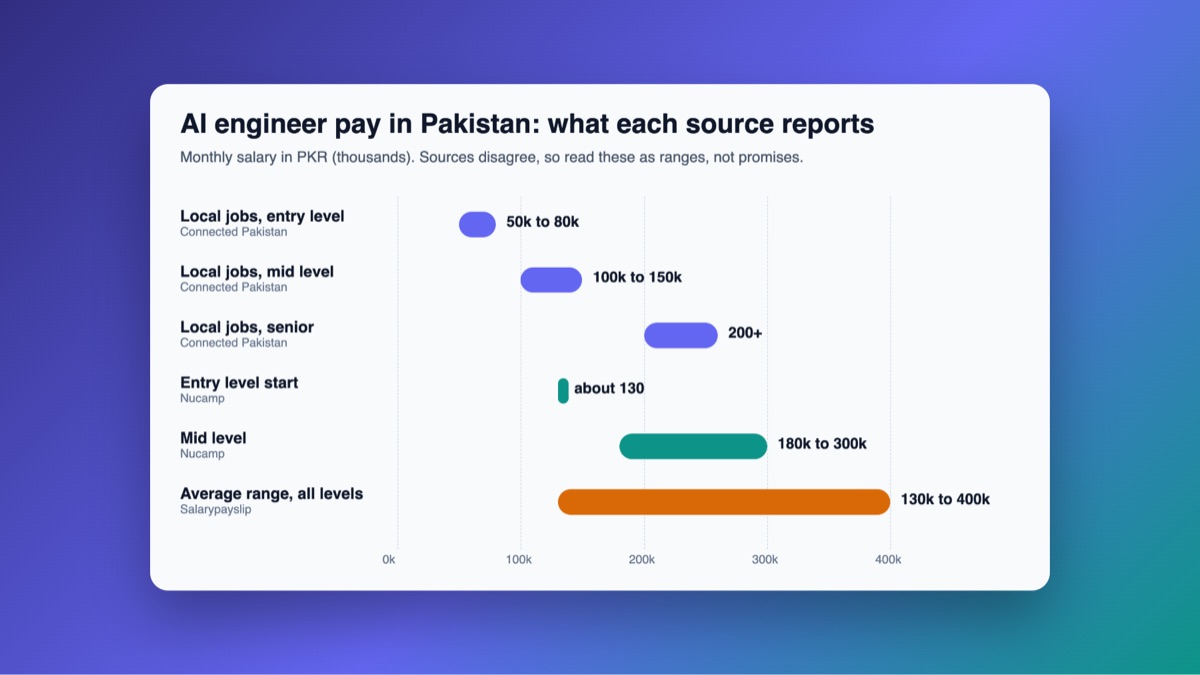
Once you have a few projects, put them in a portfolio that is easy to scan. I wrote down what to include in AI engineer portfolio: what to build. If you are wondering what the job pays, see AI developer salary in Pakistan.
Frequently asked questions
How long does it take to become a generative AI developer?
It depends on where you start. If you can already code, a focused three to six months of building projects is a reasonable plan. If you are starting from zero, expect longer, because you need to learn programming first. Treat this as a rough guide, not a promise.
Do I need a degree to be a generative AI developer?
No degree is required to build and ship these systems. Employers look at what you have built and how you explain it. A degree can help at some companies, but a strong, deployed project with tests carries a lot of weight.
Is a generative AI developer the same as an AI engineer?
The titles overlap a lot. Generative AI developers focus on building products on top of language models, while AI engineer can also include data pipelines, model training and infrastructure. I compare them in AI developer vs AI engineer.
Which programming language should I learn first?
Python is the most common choice for AI work, and TypeScript is excellent if you also build the front end. Pick one, get good at it and learn the other when a project needs it.
Building something with AI? Let's talk.
I design and ship production AI and full-stack products for US teams. See how I can help.
View all servicesJoin the newsletter
Be the first to read our articles.