Full Stack Developer Roadmap [2026]: Where AI Fits In
A practical full stack developer roadmap for 2026: the skills in order, which stack to pick, how AI features fit in, projects to build, and what to skip.
4 min read
A full stack developer builds both the part users see and the part that stores and serves the data. That has not changed. What has changed is that most products now include an AI feature, and employers notice when a full stack developer can add one properly. Here is the order I would learn things in, and where AI belongs.
What a full stack developer does
Builds the interface: pages, forms, state and responsive layouts.
Builds the server: APIs, business logic, authentication and background jobs.
Designs the data: tables or collections, relationships and queries.
Ships and runs it: deployment, logs, monitoring and fixing what breaks.
The roadmap, in order
1. Web fundamentals. HTML, CSS and JavaScript, plus how the browser, HTTP and DNS work. Do not skip this. Every framework sits on top of it.
2. One language, deeply. TypeScript is a strong choice because it works on both sides of the stack. Python is a fine alternative if you lean toward data and AI work. Learn types, async code and error handling properly.
3. A front end framework. React with Next.js is the most requested combination for new work. Learn components, state, routing and how server rendering affects speed and search.
4. A back end and APIs. Build a REST API in Node.js or FastAPI. Learn validation, authentication, sessions or tokens, and how to return clear errors.
5. A database. Start with PostgreSQL. Learn modelling, indexes, joins and migrations. Add Redis when you need caching or queues.
6. Testing and deployment. Write tests for the parts that matter, use Git properly, and deploy with a CI pipeline. Learn Docker well enough to run your app anywhere.
7. Security basics. Input validation, password handling, rate limits, secrets and the common web attacks. A full stack developer who ignores this creates real risk.
8. System design basics. Caching, queues, scaling a database and what to do when one part fails. This is what turns a mid-level developer into a senior one.
Where AI fits in
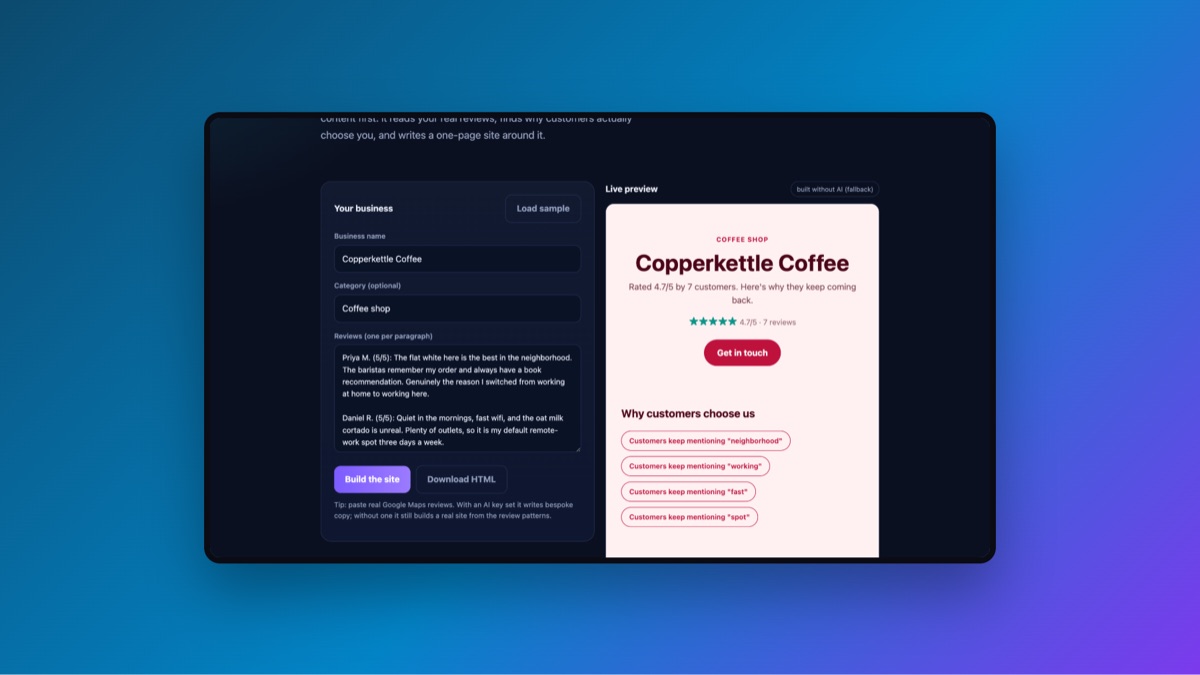
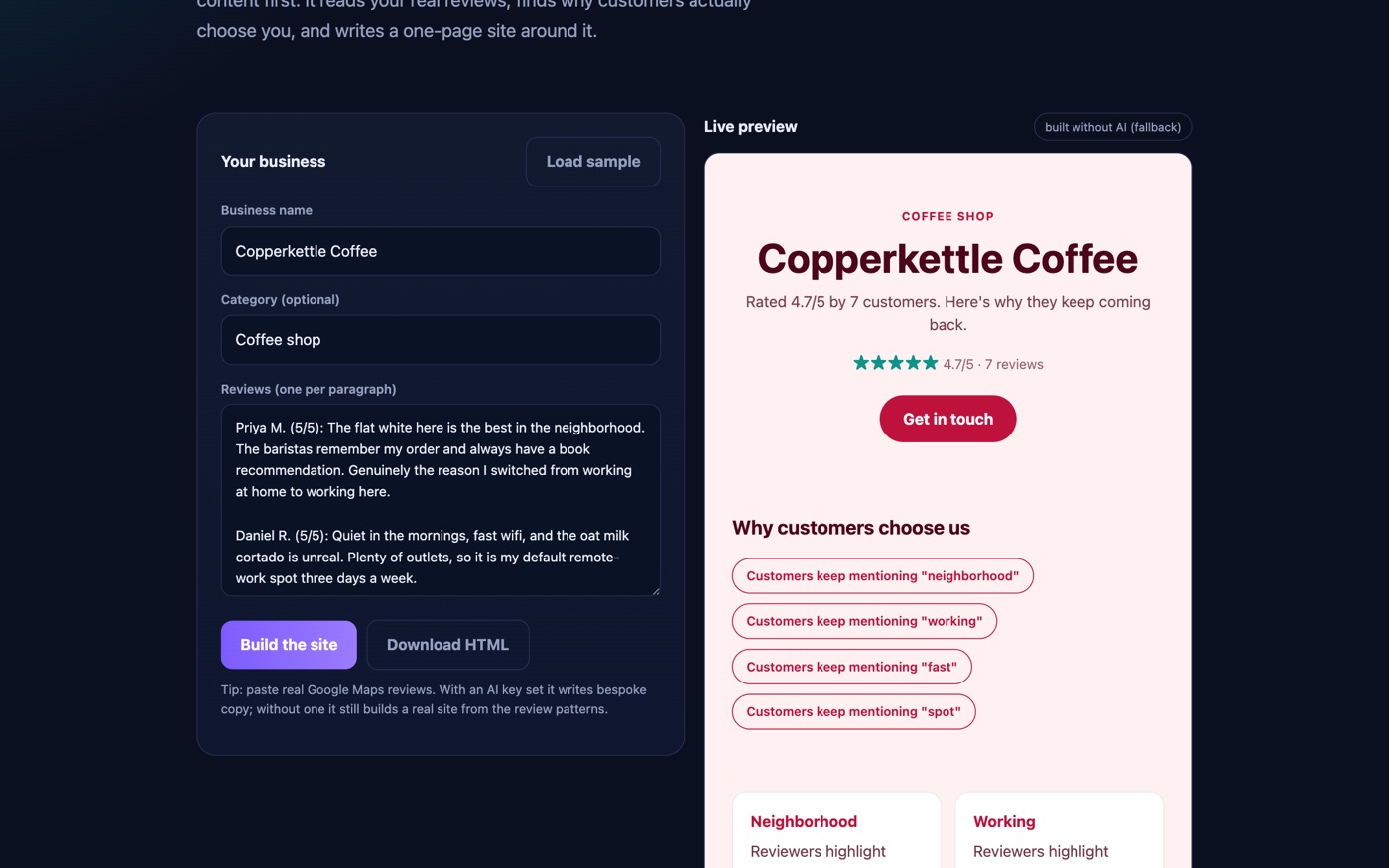
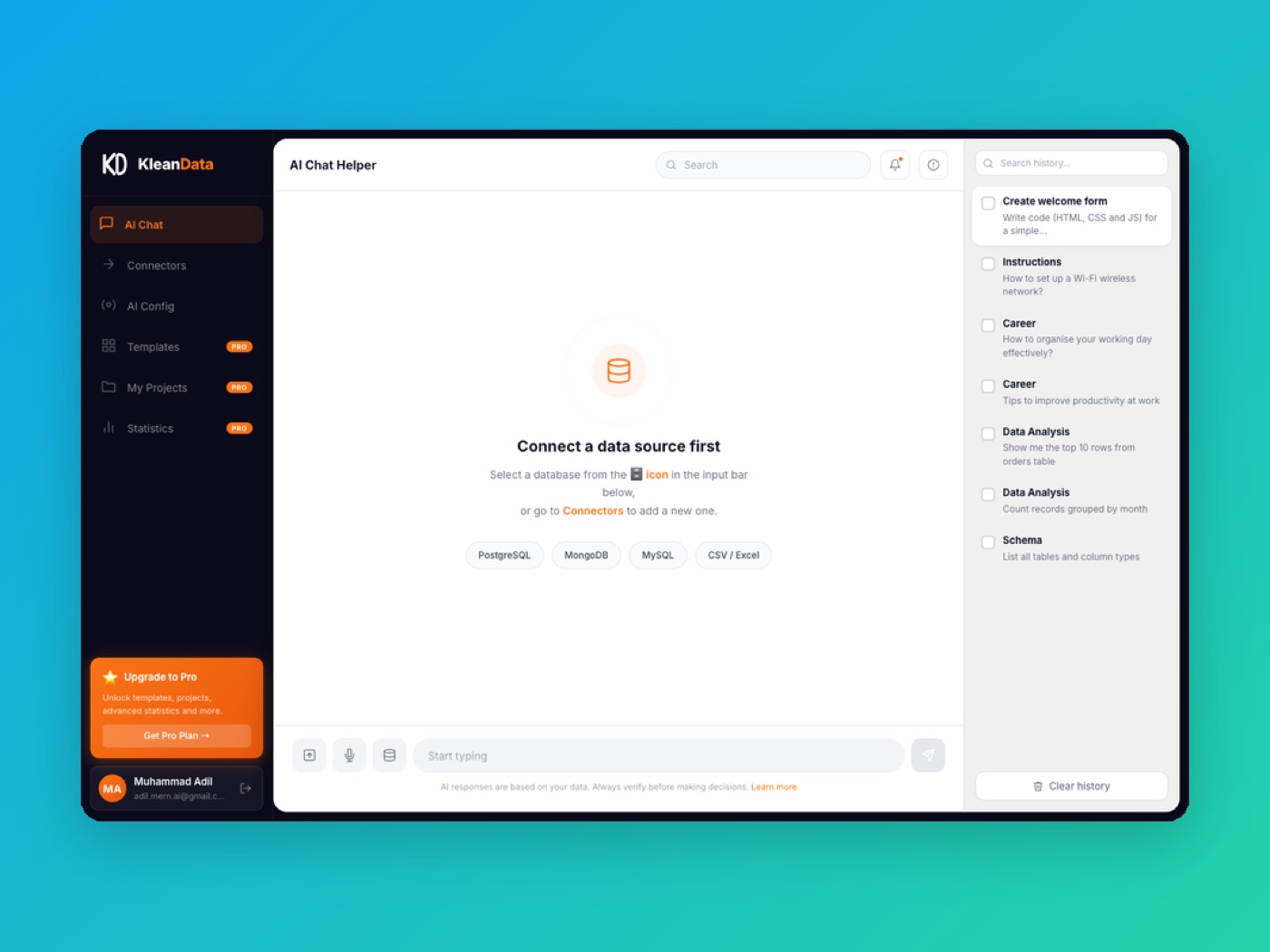
Learn to add AI features the same careful way you add any other feature. Call a model through an API, stream the response to the interface, give it your data through retrieval, and test the results. A product that turns reviews into a website, or a database you can ask questions in plain English, is a normal full stack project with a model in the middle.
One analysis of junior developer postings this year found that around a third now mention AI or LLM experience. It comes from a blog analysis, so treat it as a rough signal, but the direction is clear. For a deeper path into this side, read how to become a generative AI developer.
Java, Python or .NET full stack?
The best choice is the one your target employers use. Java and .NET dominate in banks, enterprise software and large outsourcing companies. Python is common in data-heavy and AI products. JavaScript and TypeScript lead in startups and product companies. Check ten job posts in your city before you commit.
Projects that prove you can do the job
A full application with sign-in, a database, a real feature and a live deployment.
One project with a background job or a queue, for example sending emails or processing uploads.
One project with an AI feature and a test set that shows how often it gets things right.
One project that other developers can use, such as an open source library or command line tool.
What to skip at the start
Learning five frameworks at once. Master one.
Microservices and Kubernetes before you have a product that needs them.
Chasing every new tool. Fundamentals last longer than frameworks.
When you have projects, put them in a portfolio people can scan, as I describe in AI engineer portfolio: what to build. If you want to see where this leads, read senior full stack developer: skills and interview questions. If you need a full stack developer for a project, see my full stack development services.
Frequently asked questions
How long does it take to become a full stack developer?
It varies a lot with your starting point and how many hours you build each week. Many people need around a year of steady practice to be job-ready for a junior role. Treat that as a rough guide, not a promise.
Do I need to learn AI as a full stack developer in 2026?
You do not need to train models. You do need to know how to call a model, stream a response, add retrieval and test the output, because many products now include those features.
Which stack should I learn first?
A good default is TypeScript with React and Next.js on the front end, Node.js or Python on the back end, and PostgreSQL for data. Adjust it to the jobs in your area.
Is full stack still a good career?
Yes, for people who can ship working products. Entry-level hiring is tougher than it was a few years ago, so projects that are deployed and tested matter more than before.
Building something with AI? Let's talk.
I design and ship production AI and full-stack products for US teams. See how I can help.
View all servicesJoin the newsletter
Be the first to read our articles.