AI Engineer Portfolio: What to Build [GitHub Examples]
What belongs in an AI engineer portfolio: how recruiters read it, project ideas with real examples, a README checklist for GitHub, and the mistakes that cost interviews.
4 min read
Searches for "AI engineer portfolio" mostly return template galleries. A template does not get you an interview. What does is a small number of projects that show you can build, measure and ship. Here is what I put in mine and what I would do differently.
How a portfolio actually gets read
Hiring guides I read this year agree on a few things. Recruiters spend seconds on a resume and look longer at GitHub projects that have runnable code or a live demo. They prefer two or three deployed projects with real evaluation over a list of notebooks or certificates. And they flag basic wrappers around an API as generic, because everyone has one. The numbers behind these claims come from career blogs, so treat them as directional, but they match what I see.
The three things every project should show
It works. A live link or a short video that a busy person can open in ten seconds.
You measured it. Latency, cost per request, or the percentage of test cases that pass.
You made decisions. A short note on what you tried, what failed and why you chose the final design.
Project ideas that are not another chatbot
A tool that turns a messy input into structured output and checks its own work.
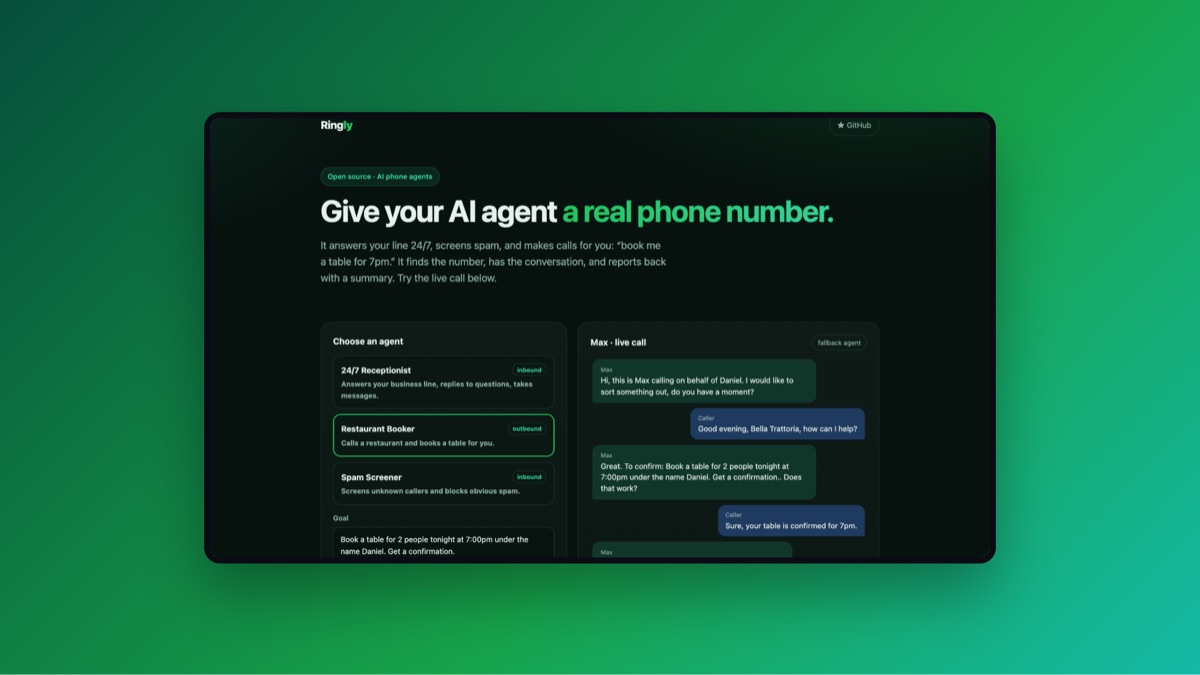
An agent that has a clear goal, a limited set of tools and a way to stop. A phone agent, a research agent or a support agent all work.
A retrieval system with a test set and a recall score, so you can show it gets better.
A developer tool that other engineers can install, such as a command line tool published on npm or PyPI.
A small evaluation or monitoring project, which is rare and stands out.
Examples from my own work
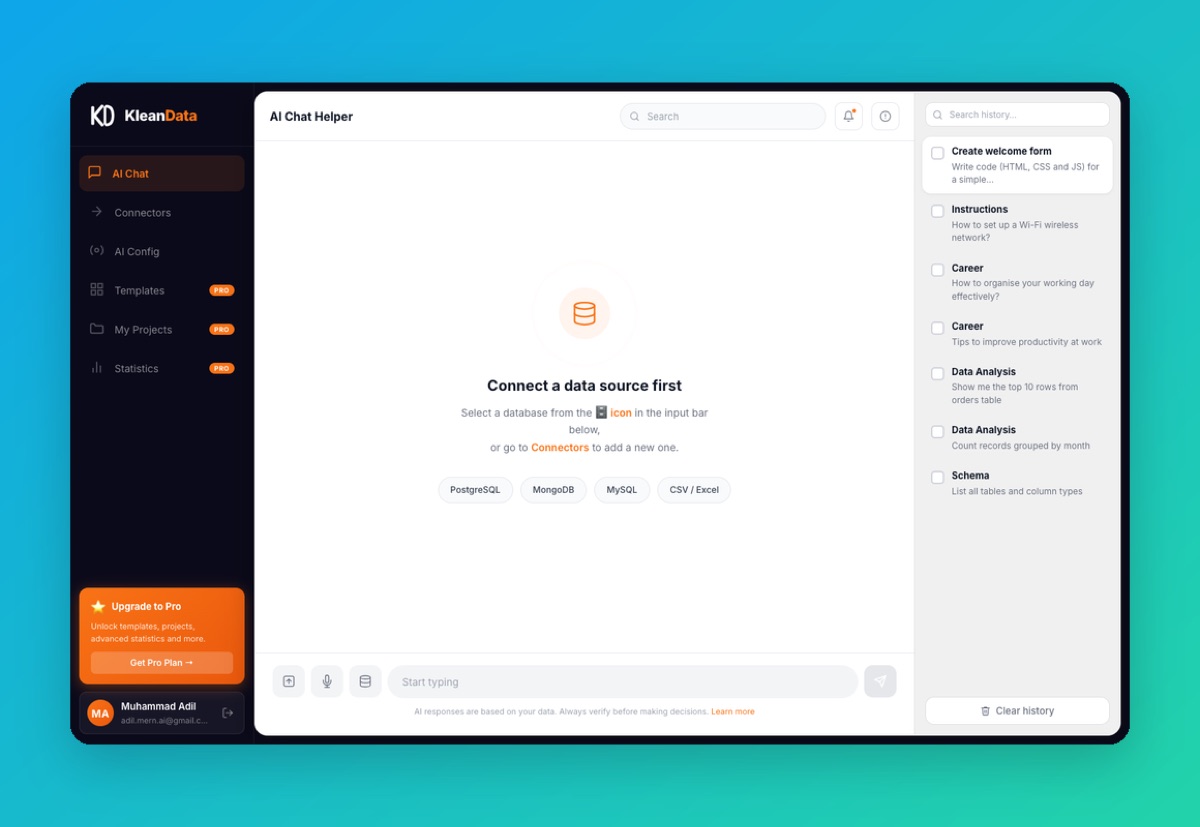
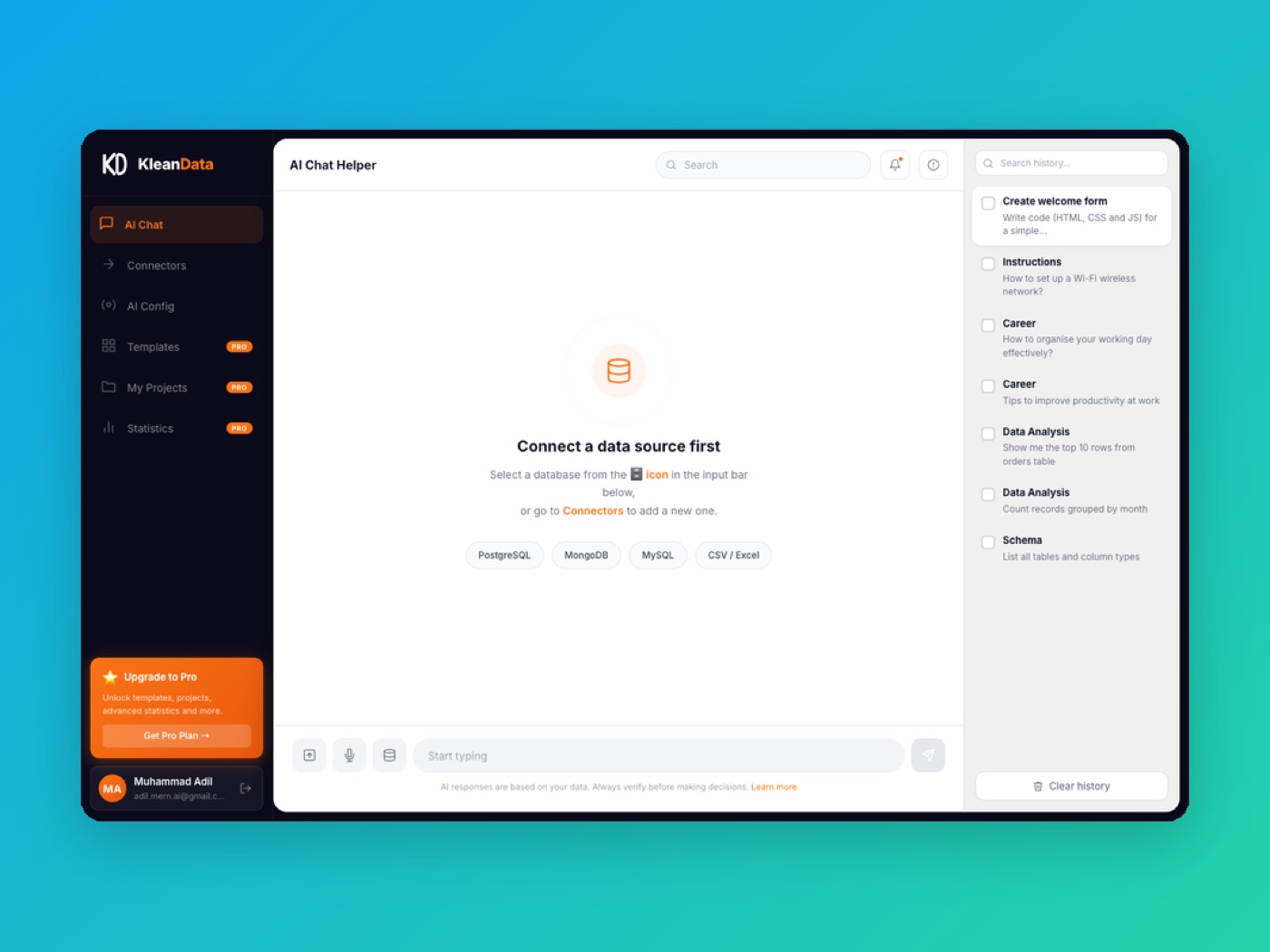
Klean Data lets you ask a database questions in plain English. The AI writes the query, shows its plan and only runs it after the user approves. The design decision to keep a human in the loop is the part I talk about in interviews. You can read more on the Klean Data page.
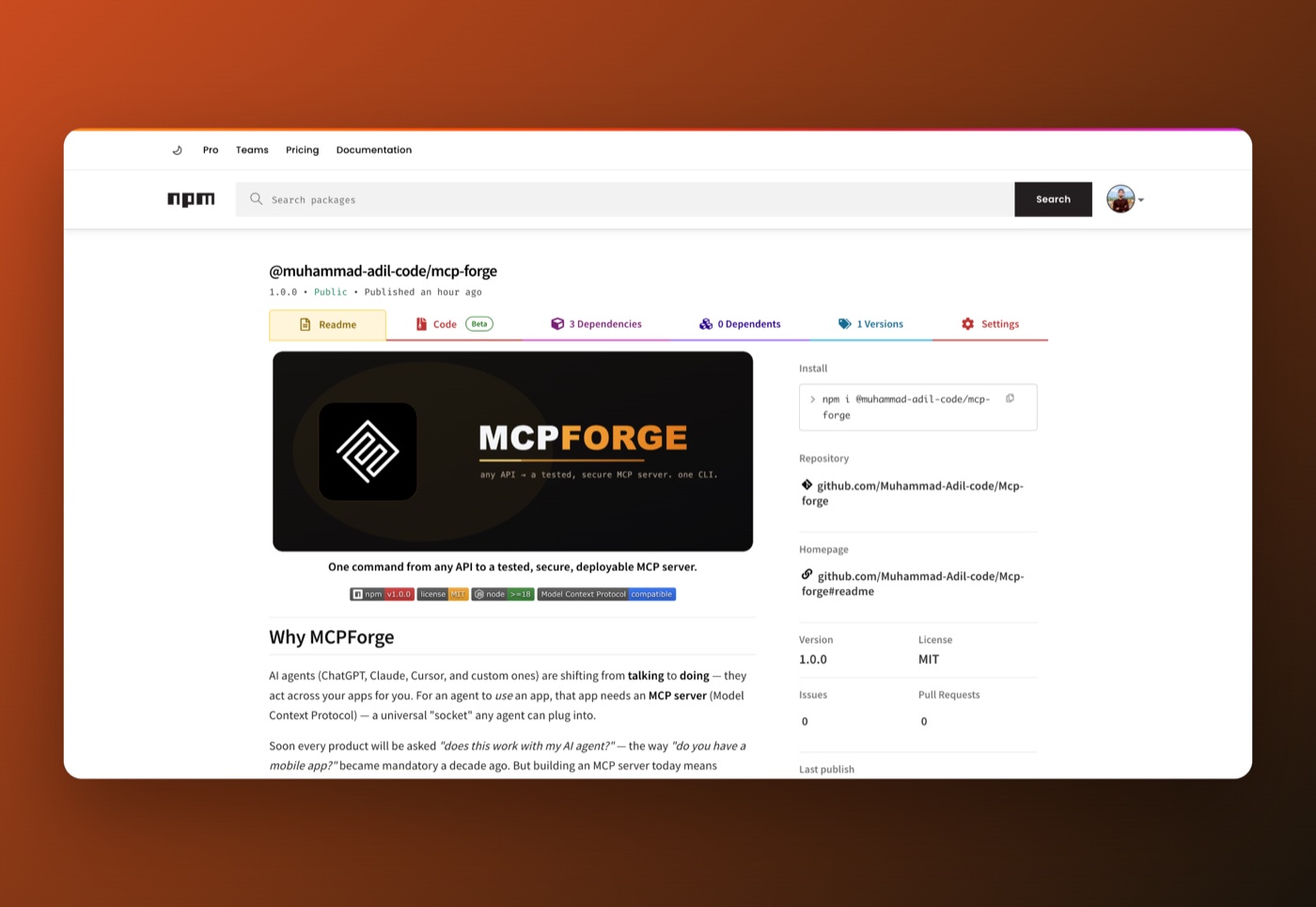
ReconX is a toolkit where you chat with an agent that scans a target, picks the right tool and explains each finding. MCPForge turns an API into an MCP server that AI agents can use, and it is published on npm, so anyone can try it with one command.
A README checklist for GitHub
One sentence that says what it is and who it is for.
A demo link, a GIF or a screenshot at the top.
How to run it in three commands or fewer.
How it works, with a simple diagram or a short list of steps.
Results: the numbers you measured, with the test set described.
Limitations, stated honestly. This builds more trust than a perfect-sounding list.
A licence file, and credit for any code or data you did not write.
GitHub or a portfolio website?
Use both, and make each one point to the other. GitHub proves the code is real. A website lets you explain the decisions in plain language, which is what a non-technical recruiter reads. Pin your best three repositories and keep the rest tidy.
Mistakes that cost interviews
Ten shallow projects instead of three good ones.
Tutorial clones with the same data as everyone else.
No demo, so nobody can see it working.
No numbers, so a claim like "it works well" cannot be checked.
Claiming work you did not do. Interviewers ask follow-up questions, and it shows quickly.
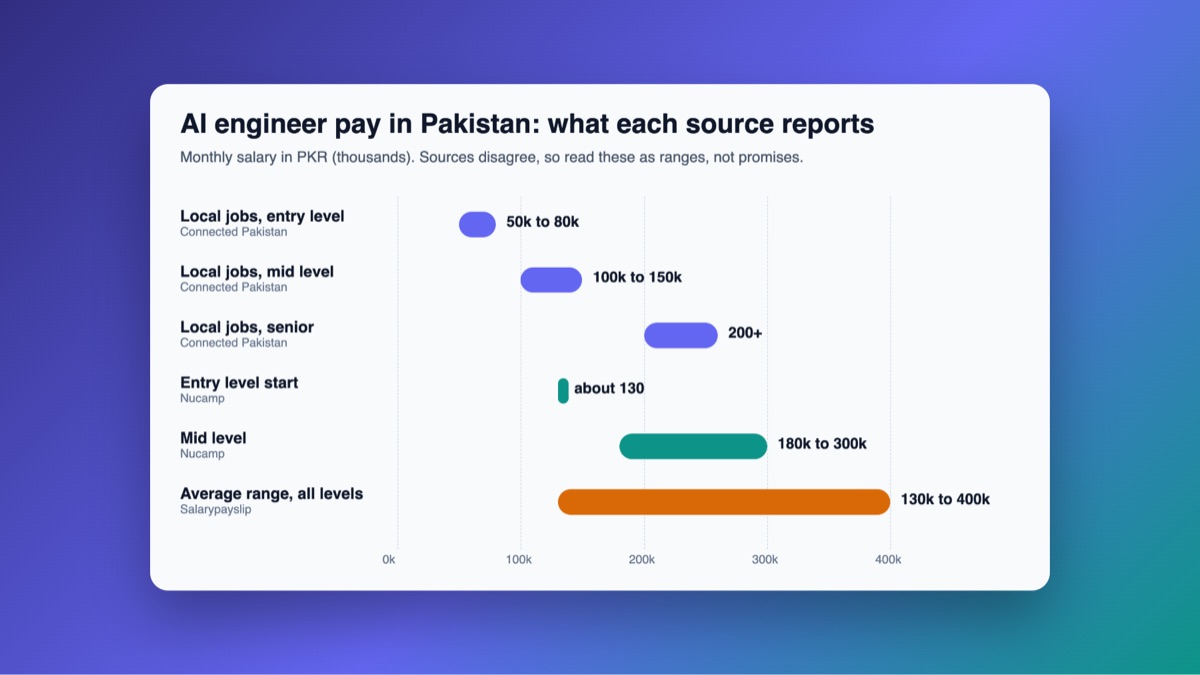
If you are starting out, begin with the roadmap in how to become a generative AI developer. If you are weighing offers, see AI developer salary in Pakistan.
Frequently asked questions
How many projects should an AI engineer portfolio have?
Guides I read recommend three to five polished projects. I would rather see two or three that are deployed, measured and explained than ten that are not.
Does an AI engineer need a portfolio website?
It is not required, but it helps. A simple site with one page per project, a demo and a short write-up makes your work easy to scan and gives you something to link in applications.
What should an AI engineer put on GitHub?
Pin your best three projects, each with a clear README, a demo link, run instructions, measured results and honest limitations. Add tests and an evaluation script where you can.
Do I need real users for a portfolio project?
No. Real users are a bonus. A working demo, a test set with a pass rate and a clear explanation of your design choices already put you ahead of most applicants.
Building something with AI? Let's talk.
I design and ship production AI and full-stack products for US teams. See how I can help.
View all servicesJoin the newsletter
Be the first to read our articles.