Senior Full Stack Developer: Skills and Interview Questions
What a senior full stack developer is expected to do: the skills, a job description you can reuse, interview questions with what good answers cover, and how to prepare.
4 min read
"Senior" is not a number of years. It is the size of the problems you can own and how reliably you solve them. This guide covers what companies expect from a senior full stack developer, the questions I would ask in an interview, and what a good answer sounds like.
What senior actually means
Ownership. You take a vague problem, turn it into a plan and see it through to production.
Judgment. You know when a simple solution is enough and when it is not, and you can explain the trade-off.
Breadth with depth. You work across the front end, back end, data and deployment, and you are strong in at least one of them.
Reliability. You think about failure, monitoring and what happens at 3 a.m. when something breaks.
Communication. You write clearly, review code kindly and help others get better.
A senior full stack developer job description
Use this as a checklist if you are hiring or applying. A senior full stack developer designs and builds features end to end, makes architecture decisions, reviews code, mentors other developers, owns quality and performance, works with product and design, and takes part in on-call and incident reviews. Typical requirements are strong skills in a front end framework such as React, a back end language such as Node.js, Python, Java or .NET, solid SQL and data modelling, cloud deployment, testing, and a record of shipping production systems.
Skills to be able to show
Data modelling and query performance, including indexes and the cost of joins.
Authentication and authorization, and the mistakes people make with both.
Caching, queues and background jobs.
API design, versioning and error handling.
Testing strategy: what to test, and what not to.
Observability: logs, metrics and alerts you can actually act on.
Adding AI features safely: retrieval, evaluation, cost and latency control.
Interview questions, and what good answers cover
1. Design a URL shortener that serves a million redirects a day. Good answers start with requirements, then cover ID generation, storage, caching hot links, rate limiting and what happens when a node fails.
2. A page is slow. How do you find out why? Good answers measure first: browser performance tools, server timings and database query plans. They separate network, rendering and backend causes before changing anything.
3. How would you structure authentication for a web app and a mobile app? Good answers compare sessions and tokens, talk about expiry and revocation, and mention secure storage and common attacks.
4. Your database is the bottleneck. What do you do? Good answers go through indexes, query changes, caching and read replicas in order of cost, before reaching for sharding.
5. Tell me about a production incident you handled. Good answers describe the impact, the fix, the root cause and what changed afterwards so it does not repeat.
6. We want to add an AI assistant that answers from our documents. How would you build and test it? Good answers cover retrieval, showing sources, a test set with a pass rate, cost and latency limits, and a fallback when the model is wrong or unavailable.
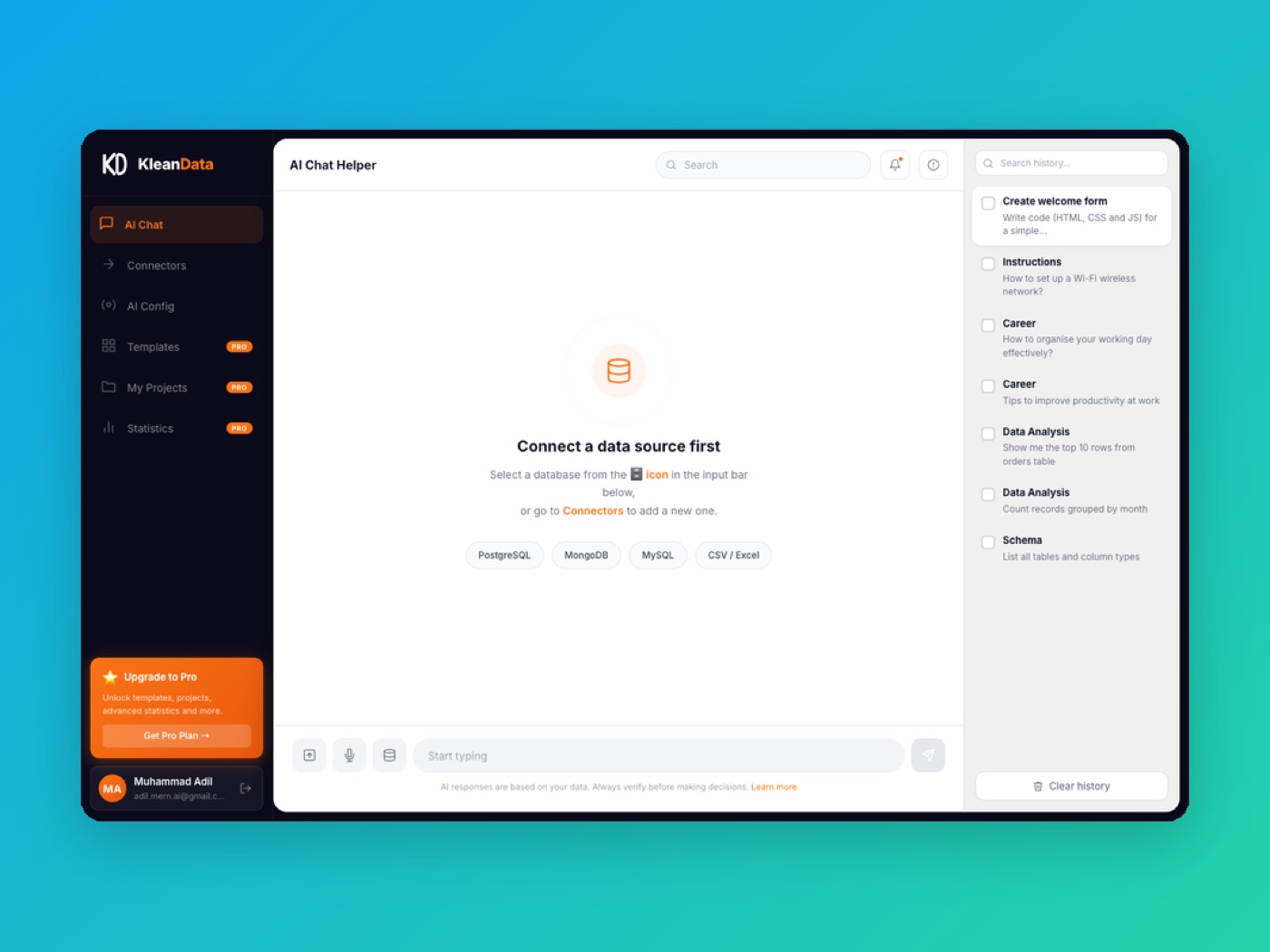
The last question is the one I find most revealing right now. An AI feature without tests and a human check is easy to build and hard to trust. I wrote about this kind of judgment in RAG vs fine-tuning in production.
How to prepare
Write down three stories: a project you owned, a failure and what you changed, and a time you disagreed and how you handled it.
Practice drawing a system design on paper and talking through the trade-offs aloud.
Review your own code from a year ago and note what you would change.
Read the company's product and think about where it would break at ten times the traffic.
Resume tips for senior roles
Lead with outcomes: what improved and by how much, not a list of technologies.
Show scope: the size of the system, the team and the traffic.
Link to something real: a demo, an open source project or a write-up.
Keep it to one or two pages.
What does a senior developer earn?
It depends heavily on country and employer. For Pakistan, one 2026 guide reports local senior roles at PKR 200,000 a month and above, and remote work for international clients is often quoted far higher. I went through the sources in AI developer salary in Pakistan. The same lesson applies to full stack work: pay follows the problems you can own, not the title.
If you are earlier in your path, start with the full stack developer roadmap. If you need a senior full stack developer for a project, see my full stack development services.
Frequently asked questions
What is the difference between a full stack developer and a senior full stack developer?
A full stack developer builds features across the front end and back end. A senior one also owns design decisions, quality and reliability, mentors others, and handles problems that have no clear answer yet.
How many years of experience make you a senior full stack developer?
There is no fixed number. Many companies look for five or more years, but the real test is whether you can own large problems end to end and explain your trade-offs.
What questions are asked in a senior full stack developer interview?
Expect system design, performance debugging, authentication, data modelling, testing, incident handling and, increasingly, how you would add and test an AI feature.
Can I hire a senior full stack developer for a project?
Yes. I take on full stack and AI projects, and you can read about the work on my full stack development services page.
Building something with AI? Let's talk.
I design and ship production AI and full-stack products for US teams. See how I can help.
View all servicesJoin the newsletter
Be the first to read our articles.